What Is Cannabis? A Source-Checked Guide for Adults 50+
Cannabis is a plant whose flowers and other material contain cannabinoids, including tetrahydrocannabinol (THC) and cannabidiol (CBD). THC can cause intoxication and impairment. CBD does not produce the same high, but it can still cause side effects and interact with medicines.
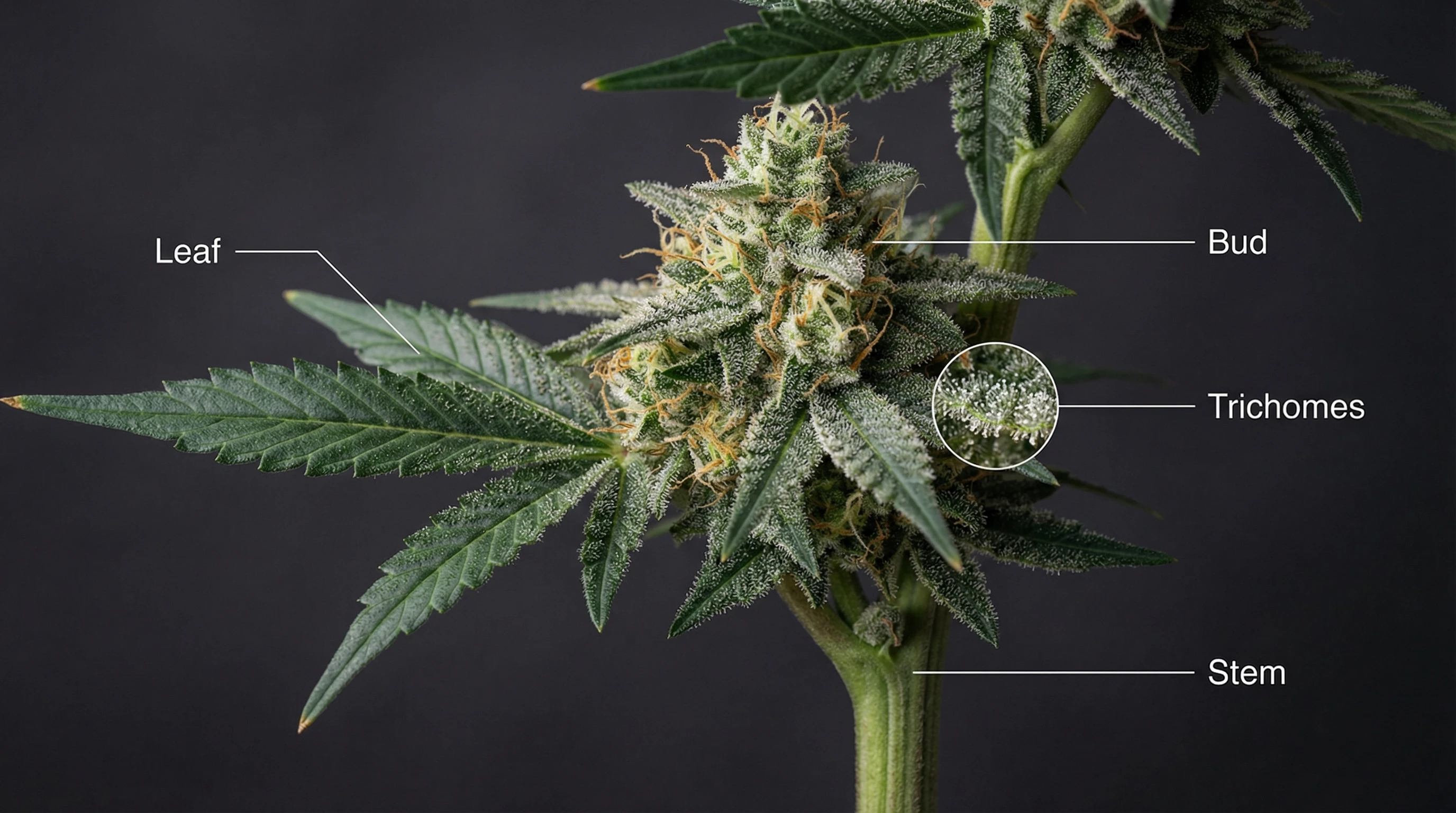
Cannabis, marijuana, and hemp
The words are often used differently in law and everyday speech. In the United States, federal and state definitions can depend on product composition, licensing, intended use, and jurisdiction. A label such as hemp, CBD, medical, or legal does not by itself establish safety or permission to drive, work, travel, or cross a border.
Common product forms
Products can include dried flower, edibles, oils or extracts, capsules, vapor products, and topicals. Route and formulation change onset, duration, labeling, and poisoning risk. Edibles can take longer to produce intoxicating effects, which increases the risk of taking more before the first amount has taken effect.
Health and medication context
Cannabis can affect memory, attention, coordination, heart rate, mental health, and driving. CDC estimates that about three in ten people who report cannabis use have cannabis use disorder. Risk is not identical for every person and can be higher with frequent use, high-THC products, other sedating substances, or certain health conditions.
The FDA has not approved the cannabis plant to treat a disease or condition. It has approved a limited number of prescription drugs containing cannabis-derived or cannabis-related substances for specific indications. Do not substitute an unapproved consumer product for a prescribed treatment or change a medicine without a clinician or pharmacist.
U.S. federal status in 2026
Effective April 28, 2026, FDA-approved marijuana products and marijuana subject to qualifying state medical-marijuana licenses are in Schedule III under the limited final rule; other marijuana remains Schedule I. The broader DEA hearing ran June 29-July 15, 2026. Transcript corrections and optional post-hearing briefs are due August 17, 2026; the reviewed docket does not support claiming that the broader rescheduling is complete as of August 14, 2026.
That limited change is not federal legalization of adult-use marijuana and does not create permission for interstate transport, federal-property possession, impaired driving, or workplace use.
Practical verification checklist
- Identify the exact product, THC/CBD content, route, and regulated seller or prescription channel.
- Check current official rules for the location and activity involved.
- Review medicines, heart symptoms, balance, cognition, and mental-health history with a qualified professional.
- Do not drive or perform safety-sensitive work while impaired.
- Store products locked away from children and pets.
See Responsible Use and How Source Checks Work.