Using cannabis responsibly means clarity, context, and caution. This guide covers dose planning, impairment windows, interactions, and legal basics--with links to deeper resources on 420.place.
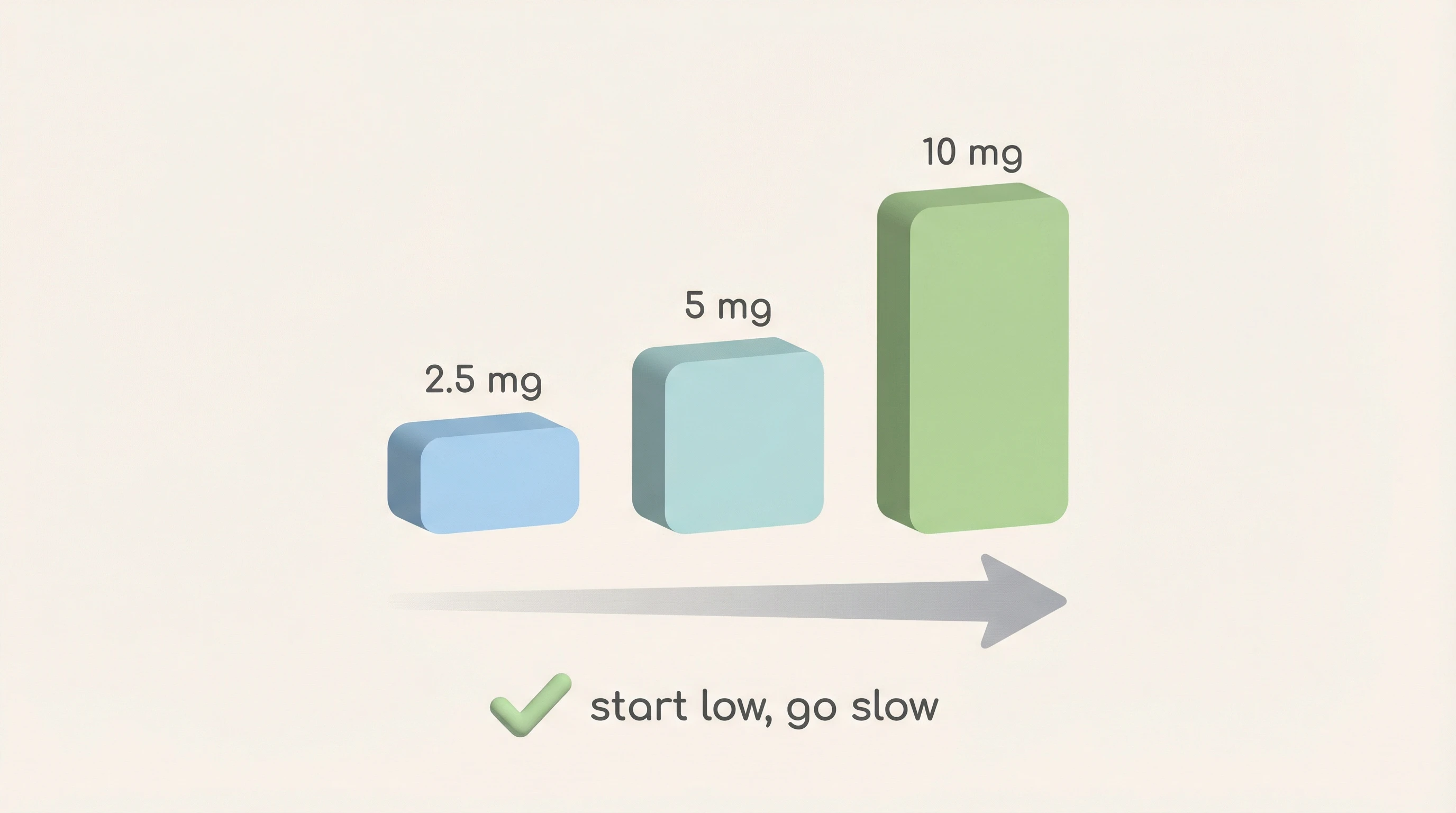
New to our process? For product testing policies, see How We Review Products.
Product strength, formulation, health history, and other medicines can change risk.
- Keep products clearly labeled and secured away from children, pets, and anyone who should not use them.
2) Avoid Impairment Risks
- Do not drive or operate machinery while impaired.
- Consider next-day effects, especially with edibles.
- Create a safe environment for first trials.
3) Interactions & Health Considerations
- If you take prescription medicines or have heart, liver, or balance issues, talk to a clinician first.
- Avoid mixing with alcohol or sedatives.
4) Know the Law
- Rules differ by region. Check our Cannabis Laws by Country & Region guide for possession limits, age rules, and where use is allowed.
5) Keep Learning
- Track changes in our monthly Research Updates.
- If terms confuse you, see the Cannabis glossary.
Related Reading
- Dosing Basics
- Information You Can Trust
- Editorial Standards
- How We Review Products
- Research Updates
- Cannabis Laws
Sources for operator review
Practical harm-reduction boundaries
Responsible use starts with deciding whether use is appropriate at all. This page cannot determine that for an individual. People who are pregnant or breastfeeding, have a history of psychosis or serious cardiovascular problems, take prescription medicines, or are planning surgery should ask a qualified clinician or pharmacist before making decisions. Do not stop, replace, or change a prescribed medicine because of an online article.
Avoid combining cannabis with alcohol, sedatives, or other intoxicating substances. Do not drive, cycle in traffic, operate machinery, or perform safety-sensitive work while impaired or while effects may still be present. Keep a sober adult and a safe setting in mind when someone may be impaired, and never share products with minors. Store products securely and follow the product label and local disposal guidance.
Seek urgent medical help for severe confusion, loss of consciousness, chest pain, trouble breathing, seizure, or other alarming symptoms. In a possible poisoning involving a child or pet, contact local emergency or poison-control services. Emergency numbers and poison-control routes differ by country.
Source-bound operator checklist
- Verify each safety boundary against the linked public-health sources.
- Check that no paragraph gives a consumer dose, titration schedule, or treatment promise.
- Confirm links, jurisdiction, access date, and any newer official guidance.
- Keep this article held until qualified review is complete.
Existing source record
This is educational harm-reduction information, not medical advice, a diagnosis, or an individualized regimen.