Research Updates is a reading map, not a claim that every new study changes practice. We track evidence that may affect safety, product labeling, public-health advice, or regulation, then record what was checked and what remains uncertain. Readers can search the PubMed index for biomedical literature and ClinicalTrials.gov for registered studies. Registration is not proof that a study worked; publication, methods, results, and limitations still matter.
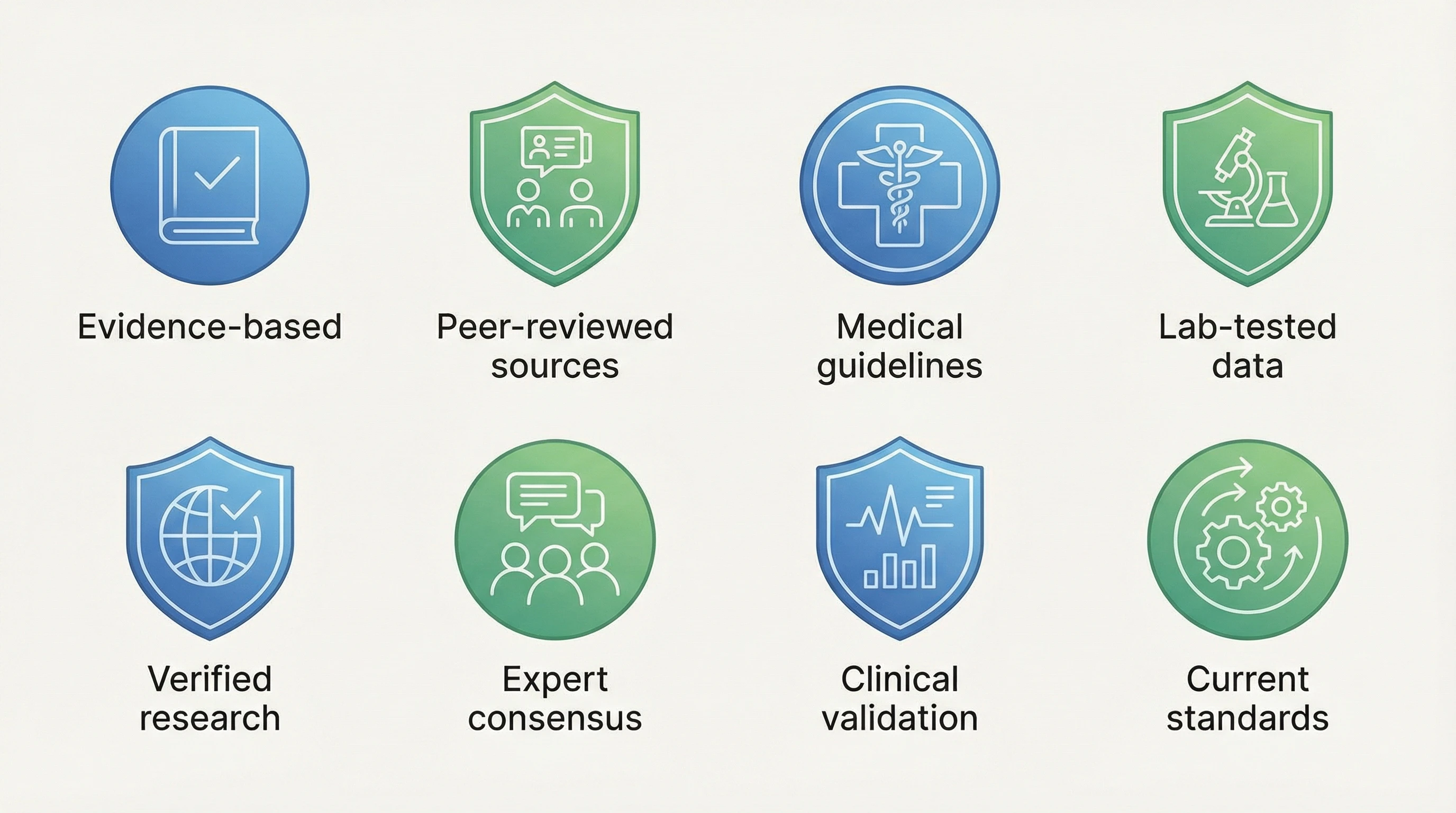
How an update is screened
First identify the source type: systematic review, clinical study, surveillance report, regulator notice, or commentary. Then record the publication or update date, population, intervention or exposure, outcome, and the main limitation. A headline may describe an association rather than a cause. A small laboratory or observational study may be useful for generating questions without answering what every reader should do.
What "changed" means here
An update can change wording, add a caution, clarify an evidence limit, or correct a broken source. It does not automatically change medical advice, a local law summary, or a product recommendation. For public-health context, readers may consult NIAAA and the World Health Organization, while recognizing that these broad authority hubs are not substitutes for a jurisdiction-specific regulator or clinician.
Reader checklist
Before acting on a headline, ask: Is the source primary or a summary? Does the population resemble me? Was the outcome measured directly? Are harms and uncertainty reported? Is the information current for my country or state? Keep the original citation and the date checked. When a result conflicts with an established review, flag it for editorial review rather than presenting a dramatic conclusion.
This page deliberately avoids prescribing treatment, dosage, or legal conclusions. Each future entry should link to the source, state its evidence type, identify limitations, and show whether a related 420.place page was actually updated. We also distinguish a newly published result from a correction to an older page, and retain the original source date so readers can understand the timeline carefully.
What every future entry must show
Each update should name the source type, publication or revision date, population, principal finding, and most important limitation. It should also state whether 420.place changed another page, added a caution, corrected a citation, or made no editorial change. Registration, publication, and replication are different milestones; none should be silently treated as proof of a consumer benefit. Apply the site-wide Responsible Use guide whenever a finding touches impairment, vulnerable readers, medicines, or hazardous activities. Preserve the original link and access date, and mark jurisdiction-specific conclusions for specialist review. This page is a transparent change log, not medical, dosing, or legal advice, and a new headline alone is never enough to reverse established guidance. Negative findings and withdrawals belong here too.