Start with your state's official program
There is no single national medical-cannabis card checklist. Search the state health or cannabis regulator's website, confirm its current update date, and start there rather than with a paid clinic advertisement. Verify that the program page actually covers patients--not dispensary licensing or adult-use sales.
A five-point application checklist
Before booking, answer these from official sources: (1) What condition or clinician judgment qualifies? (2) Is state residency required? (3) Which clinician credentials are accepted? (4) Who submits the application, and what identity/residency documents are needed? (5) What document is issued, what does it cost, and when does it expire? Save the current link and date; do not rely on a guaranteed same-day approval or a generic fee estimate.
Examples: states do not issue the same document
Florida OMMU describes a qualified physician, registry entry, and an MMUR identification card; its card page lists a $75 fee and annual renewal. Pennsylvania describes registration, approved-practitioner certification, and a patient ID card. New York says it no longer issues permanent patient registry ID cards: the clinician's certification contains a registry number used with government photo ID, and the state's 2025 brochure says the patient registration fee is zero. These are examples, not a complete state-by-state guide. Compare the Florida guide, Pennsylvania program, and New York guide.
Questions to take to your clinician
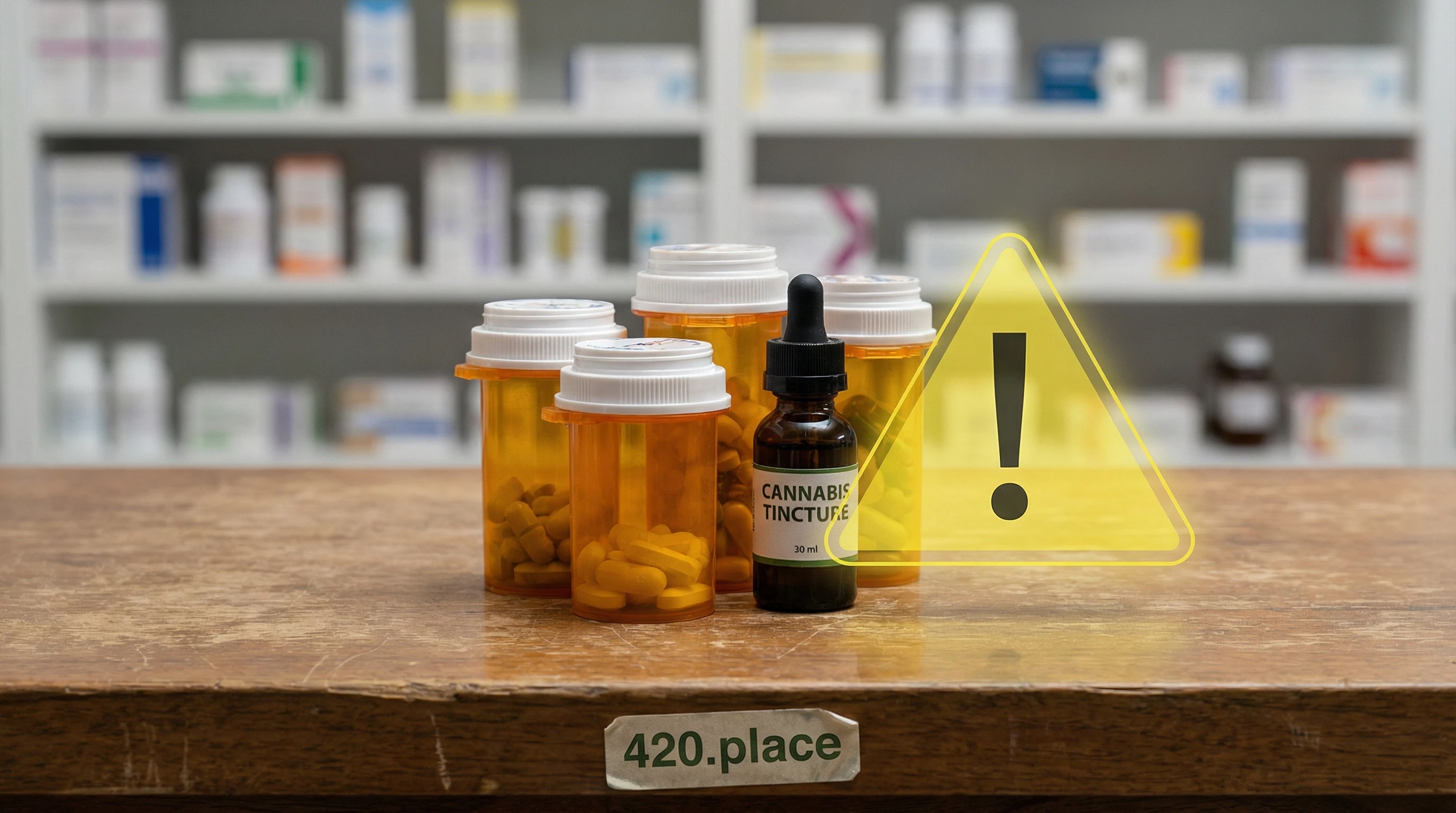
If you are over 50 and have several prescriptions or ongoing conditions, bring an accurate medication list and ask a clinician or pharmacist about potential interactions and monitoring. This guide does not recommend a product, dose, treatment, or certification provider.
Quick FAQ
Can I use one national checklist to get a medical cannabis card?
Use the same verification questions, but not one assumed process. State programs differ in eligibility, clinician certification, application, document, fee, and renewal rules.
Do all states issue a physical medical cannabis card?
No. For example, Florida and Pennsylvania describe state identification cards, while New York says it no longer issues permanent registry ID cards and uses the patient certification with a registry number and photo ID.
Does being over 50 change the official application steps?
The cited state program pages do not create a general over-50 application pathway. Check your own state's current program and discuss health questions with your clinician or pharmacist.
Sources
- Florida OMMU: Patients -- directly read 2026-09-25; Florida card details at OMMU cards.
- Pennsylvania DOH: Medical Marijuana Patients -- directly read 2026-09-25.
- New York OCM: Medical Cannabis Program FAQs -- directly read 2026-09-25.
- New York OCM: Medical Patients Brochure -- directly read 2026-09-25.