Delta-8 THC deserves a careful, practical approach
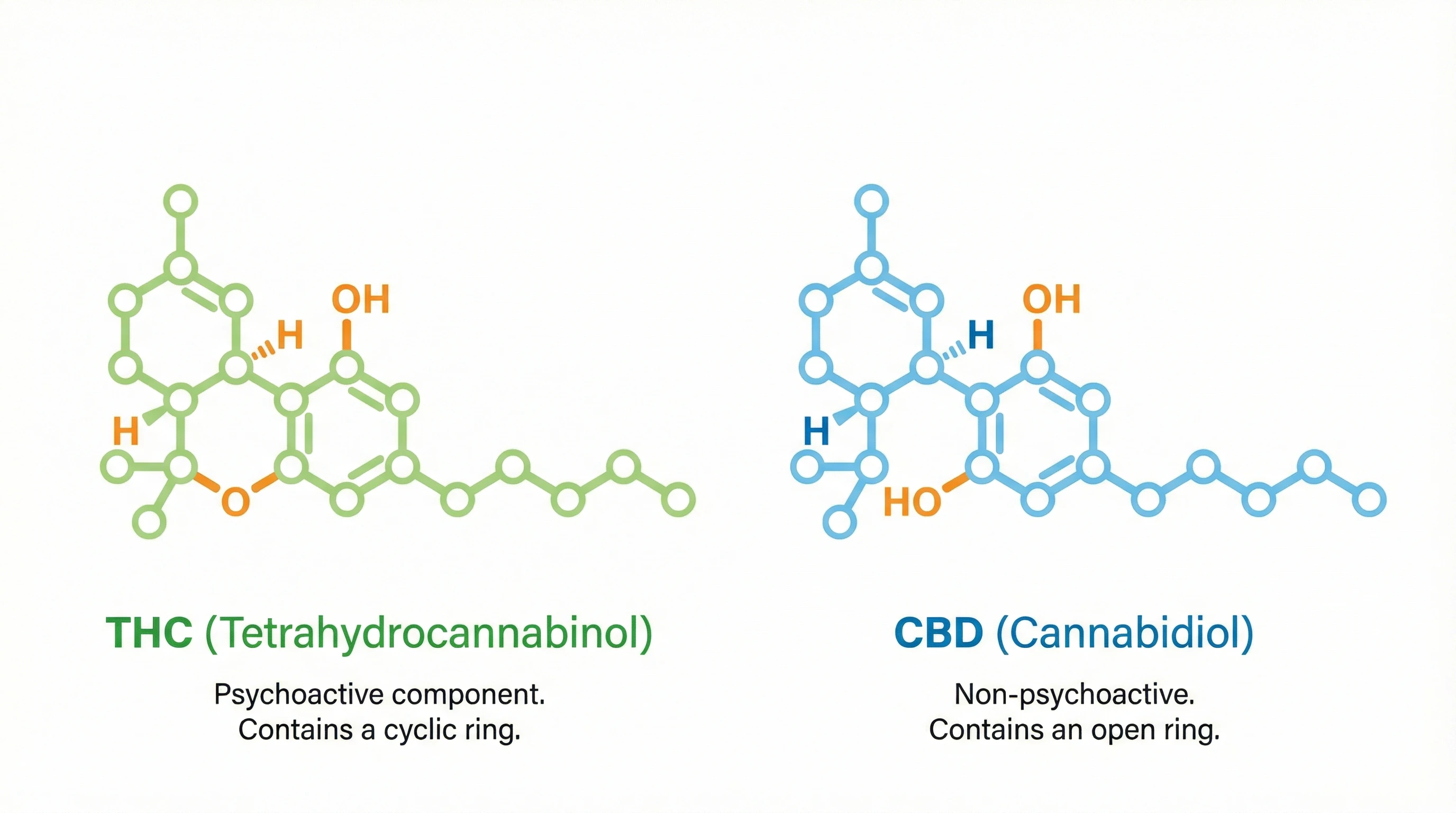
Delta-8 THC is often sold as an alternative to marijuana THC. For adults 50+, the key decision is not just whether it feels different--it is about safety and regulation consistency.
What delta-8 is
Delta-8 is a cannabinoid related to THC. It can be intoxicating and is often produced in ways that may involve conversion from other cannabinoids.
Why regulators are warning users
The FDA has repeatedly warned about unapproved marketing, product quality risks, and adverse-event reports tied to delta-8 products. Many products have had labeling and safety concerns, and some were marketed in ways that mimic food products for children.
What is unclear legally
Federal and state treatment of delta-8 remains complex. Some federal documents discuss hemp-related boundaries, while states vary in enforcement and licensing frameworks. For this reason, legal conclusions should be made with a state-specific check, especially if you purchase, travel, or work with workplace testing rules.
Harm-reduction priorities
Important safety points
- Adverse effects can include acute anxiety, dizziness, and impaired coordination.
- Pediatric accidental exposure risk is a real concern from sweetened products and loose packaging.
- Drug-test implications may differ by setting and product composition.
Before use
If you use anticoagulants, blood-pressure agents, or sleep medications, check with a clinician first.
If legal clarity is your priority, a medical or legal review from your state and a conservative use framework may be safer than assuming national uniformity.
Related reading
Operator review checklist
For "What Is Delta-8 THC? Safety, Labeling, and Legal Risks", reconcile each material claim with the page's existing source record:
- confirm the jurisdiction or studied population, effective date, and applicability;
- distinguish direct support from inference or unresolved evidence;
- route legal, medical, medication, impairment, or dosing questions to a qualified reviewer.