People sometimes describe a "tolerance break" as a period without cannabis after the same amount no longer feels the same. That description is useful, but it is not a standardized medical treatment or a promise that a break will produce a particular result.
What people may notice
Tolerance is only one possible explanation for a changed experience. Product potency, route, sleep, stress, illness, other medicines, and expectations can all affect how a person feels. A break may also make a person notice symptoms that had been masked by regular use. Evidence does not support a single schedule, reset time, or "best" method for everyone, so this article avoids prescribing one.
Plan the conversation, not a dose
Before changing a regular pattern, write down what you are trying to understand: reduced effect, unwanted next-day effects, cost, habit, or concern about reliance. Note sleep, mood, appetite, pain, and other relevant symptoms in plain language. Do not use this log to calculate a replacement dose. If cannabis is being used for a diagnosed condition, tell the treating clinician before making a change.
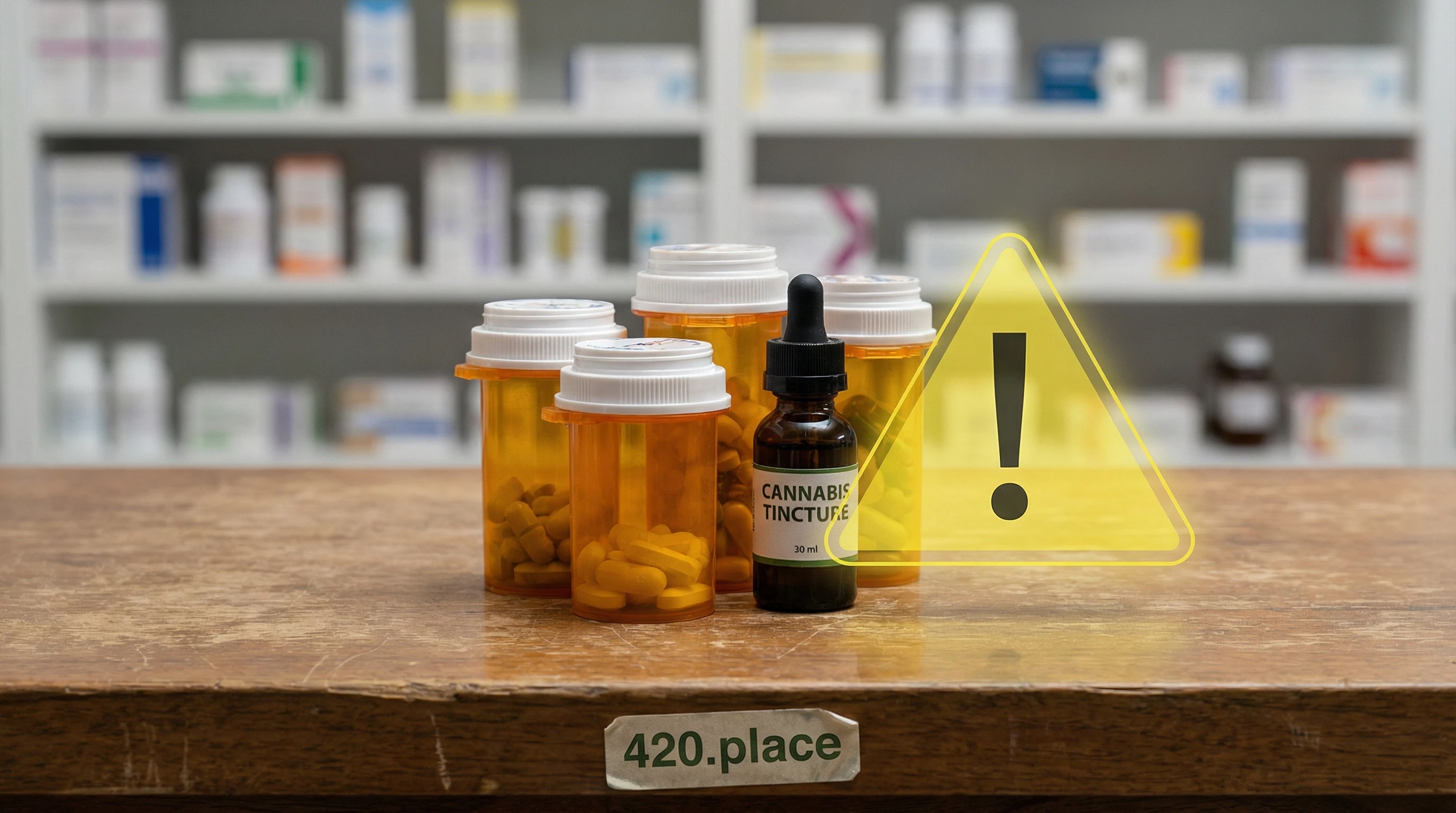
Adults over 50 should be especially careful when several medicines or substances are involved. Ask a pharmacist or clinician about prescription medicines, alcohol, sedatives, balance problems, heart symptoms, or a history of mental-health complications.
When to seek help
Seek medical advice for severe anxiety, confusion, chest pain, fainting, persistent vomiting, or other urgent symptoms. Support is more useful than self-judgment. This page describes a concept and evidence limits; it does not recommend a consumer dosing plan, withdrawal protocol, or guaranteed outcome.
If sleep, mood, appetite, or pain changes substantially, record the change and share it with a professional rather than trying to compensate independently. A break can be a prompt for a health conversation, not a test of willpower.
Keep the goal observable
Write down the specific change that prompted the question--such as reduced effect, unwanted next-day effects, cost, sleep disruption, or concern about reliance--without turning the record into a dosing schedule. A clinician can help distinguish tolerance from a product change, illness, medication issue, or another cause. Review the Responsible Use guide for impairment and substance-mixing boundaries. If stopping feels difficult or symptoms become severe, seek qualified help rather than extending or shortening a break based on an online timetable. Evidence does not support one universal reset period. Keep the research link, access date, and professional advice together so a later reviewer can see what informed the decision.