Retirement communities can have several layers of policy: a lease or residency agreement, community rules, visitor rules, and--when care is provided--clinical or medication-safety procedures. A cannabis policy should therefore be read as a facility document, not inferred from a headline about state law. The HUD Fair Housing reference is useful background on housing-policy questions, but it does not answer whether a particular community permits possession or use. Ask management for the current written policy.
Questions to ask before moving in
- Is cannabis possession, use, or storage addressed separately?
- Does the rule cover private rooms, balconies, common areas, vehicles, and visitors?
- Are medical-cannabis accommodations handled through a separate process?
- Does the community prohibit smoking while allowing another form, or prohibit all forms?
- Who receives a request, and how is the answer documented?
Do not rely on a verbal answer. Save the dated policy, the name of the person who supplied it, and any written clarification. Policies can differ between independent living, assisted living, and skilled-care settings because the services and safety responsibilities differ. A community may also restrict odors, impairment in shared spaces, fire risks, or storage accessible to visitors without taking a position on the broader debate about cannabis.
Storage and visitor planning
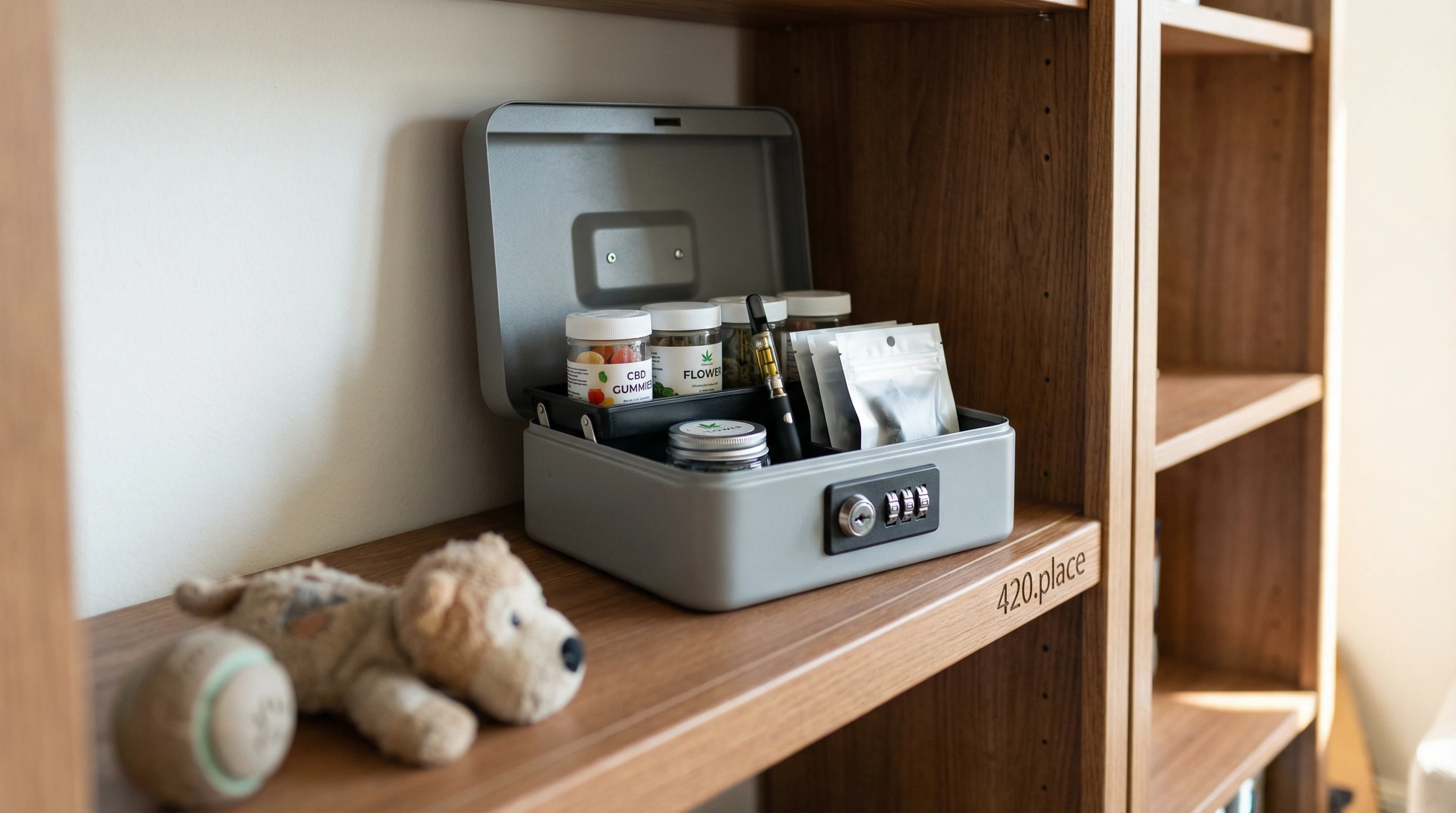
Keep products in their original labeled packaging and in a locked location that children, visitors, and service workers cannot access. Do not leave products in a shared refrigerator, a common bathroom, or an unlocked bedside drawer. If a community has a medication-management service, ask whether staff can store or administer cannabis; never assume they can. If smoking or vapor is restricted, ask whether the policy identifies a permitted alternative area or simply prohibits use.
Use it to frame a conversation about alcohol, sedatives, falls, and other substances with a clinician.
A simple documentation checklist
Record the policy date, the exact section that applies, contact details for management, and any renewal or review date. Keep questions about health separate from questions about tenancy: a clinician can discuss personal risks, while management can explain the premises rules. If the answer is unclear, pause and request a written clarification before bringing cannabis onto the property. This page is an information aid, not legal advice, and local rules and facility contracts require current, location-specific review.
It is also worth asking how complaints are handled, whether a designated outdoor area exists, and whether emergency staff need to know about stored products. A respectful written question gives everyone the same record and avoids relying on assumptions made by a neighbor or a previous resident.
Before you rely on a community answer
Compare the current lease, resident handbook, and any written clarification rather than assuming a rule applies across every retirement setting. Keep a dated copy and note who answered your question. A housing manager can explain premises policy; a clinician or pharmacist can address personal health concerns. If the documents conflict, ask for a written resolution before bringing a product into the community. The broader Responsible Use guide covers storage, impairment, and household safety. This page does not establish a legal entitlement or predict how an accommodation request will be decided. Local rules, contracts, and care arrangements can change, so preserve the source and review date for the operator audit trail.