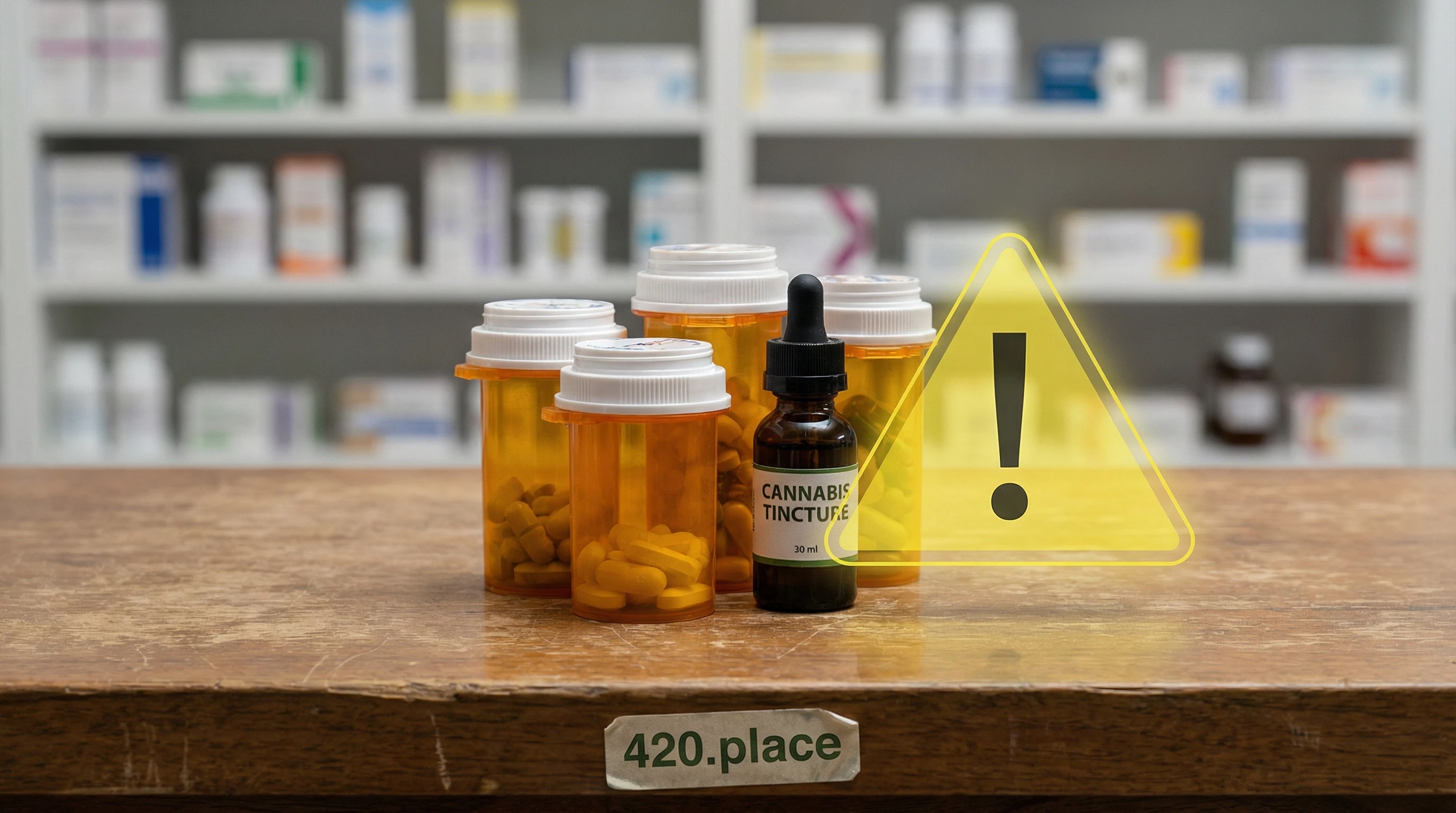
Cannabis and Medication Interactions: Critical Guide for Adults 50+
Last updated: December 11, 2025
Medical notice: This article is for educational purposes only and not medical advice. Always consult your doctor before using cannabis, especially if you take prescription medications or have health conditions. See Legal Disclaimer & No-Warranty.
Quick Summary
Cannabis can interact dangerously with common medications, especially blood thinners like warfarin. These interactions happen because cannabis affects liver enzymes that break down many drugs. For adults 50+ who often take multiple medications, understanding these interactions isn't just important--it's potentially life-saving.
Studies show cannabis can increase warfarin's blood-thinning effects by up to 6 times. This raises serious bleeding risks. Other medications affected include blood pressure drugs, diabetes medications, and antidepressants.
If you take any prescription medications, talk to your doctor before trying cannabis. This conversation could prevent dangerous complications.
How Cannabis Affects Your Medications
The CYP450 Enzyme System
Your liver contains a family of enzymes called cytochrome P450 (CYP450). These enzymes break down approximately 70% to 80% of all medications you take. Think of them as your body's cleanup crew for drugs and other compounds.
Cannabis compounds--especially CBD and THC--interact with several CYP450 enzymes. The most important ones are:
- CYP3A4: Processes about 50% of all medications
- CYP2C9: Breaks down warfarin and some diabetes drugs
- CYP2C19: Metabolizes certain antidepressants and proton pump inhibitors
- CYP2D6: Processes many antidepressants and pain medications
When cannabis inhibits these enzymes, medications stay in your bloodstream longer. This increases drug levels and potentially causes dangerous side effects or toxicity.
Why This Matters More at Age 50+
As you age, your liver function naturally declines. Enzyme activity decreases by about 30% to 40% between ages 40 and 70. This means medications already stay in your system longer than they did when you were younger.
Adding cannabis on top of age-related changes can amplify drug interactions. Many adults 50+ also take multiple medications (polypharmacy), which increases interaction risks exponentially.
The Warfarin Danger: A Critical Warning
Warfarin (brand name Coumadin) is one of the most prescribed blood thinners in the United States. Millions of older adults take it to prevent blood clots, strokes, and heart attacks.
How Cannabis Affects Warfarin
Cannabis inhibits CYP2C9, the main enzyme that breaks down warfarin. When this enzyme can't work properly, warfarin accumulates in your bloodstream. Multiple case reports document dangerous interactions:
Case studies show:
- One patient's INR (blood clotting measurement) jumped from 2.3 to 6.6 after using cannabis
- Another patient experienced an INR increase from therapeutic range to over 10
- Several cases resulted in serious bleeding requiring hospitalization
An INR of 2 to 3 is typically therapeutic for most conditions. An INR above 4 significantly increases bleeding risk. An INR above 6 is dangerously high.
Signs of Excessive Blood Thinning
If you take warfarin and use cannabis, watch for these warning signs:
- Unusual bruising that appears without injury
- Bleeding gums when brushing teeth
- Nosebleeds that happen frequently or last longer than 10 minutes
- Blood in urine (pink, red, or tea-colored)
- Black, tarry stools or bright red blood in stool
- Coughing up blood
- Severe headaches or dizziness
- Prolonged bleeding from minor cuts
Any of these symptoms requires immediate medical attention. Call your doctor or go to the emergency room.
Other Blood Thinners Affected
Cannabis may also interact with newer blood thinners, though research is limited. Use extreme caution with:
- Apixaban (Eliquis)
- Rivaroxaban (Xarelto)
- Dabigatran (Pradaxa)
- Edoxaban (Savaysa)
- Clopidogrel (Plavix)
Never combine cannabis with any blood thinner without explicit approval from your prescribing doctor.
High-Risk Medication Categories
Beyond blood thinners, cannabis interacts with many medication classes commonly prescribed to adults 50+.
Blood Pressure Medications
Cannabis can amplify blood pressure changes. This creates risks with:
ACE Inhibitors:
- Lisinopril (Prinivil, Zestril)
- Enalapril (Vasotec)
- Ramipril (Altace)
Beta Blockers:
- Metoprolol (Lopressor, Toprol)
- Atenolol (Tenormin)
- Carvedilol (Coreg)
Calcium Channel Blockers:
- Amlodipine (Norvasc)
- Diltiazem (Cardizem)
- Nifedipine (Procardia)
Interaction effects: Cannabis can cause blood pressure to drop suddenly when standing (orthostatic hypotension). Combined with blood pressure medications, this increases fall risks and dizziness.
Diabetes Medications
Cannabis affects blood sugar regulation. This impacts medications including:
- Metformin (Glucophage)
- Glipizide (Glucotrol)
- Glyburide (DiaBeta)
- Insulin
Risk: Cannabis may lower blood sugar. Combined with diabetes drugs, this can cause dangerous hypoglycemia (blood sugar too low). Symptoms include confusion, shakiness, rapid heartbeat, and loss of consciousness.
Heart Medications
Several heart drugs use the CYP450 system:
- Digoxin (Lanoxin)
- Amiodarone (Cordarone)
- Statins (atorvastatin, simvastatin)
- Nitrates (nitroglycerin)
Risks: Increased drug levels can cause irregular heartbeat, muscle damage (with statins), or excessive heart rate slowing.
Antidepressants and Anxiety Medications
Cannabis interacts with many psychiatric medications:
SSRIs:
- Fluoxetine (Prozac)
- Sertraline (Zoloft)
- Citalopram (Celexa)
SNRIs:
- Duloxetine (Cymbalta)
- Venlafaxine (Effexor)
Benzodiazepines:
- Alprazolam (Xanax)
- Lorazepam (Ativan)
- Diazepam (Valium)
Risks: Increased sedation, confusion, respiratory depression. Cannabis can amplify drowsiness and impairment, increasing fall risks.
Pain Medications
Cannabis combined with pain drugs increases sedation risks:
- Opioids (oxycodone, hydrocodone, tramadol)
- Muscle relaxants (cyclobenzaprine, baclofen)
- Gabapentin (Neurontin)
Risk: Excessive drowsiness, confusion, respiratory depression, increased fall risk.
High-Risk Medications Reference Table
| Medication Class | Common Examples | Interaction Type | Primary Risk |
|---|---|---|---|
| Blood Thinners | Warfarin, Eliquis, Xarelto | Increased drug levels | Dangerous bleeding |
| Blood Pressure | Lisinopril, Metoprolol, Amlodipine | Additive effects | Severe low blood pressure, falls |
| Diabetes | Metformin, Glipizide, Insulin | Additive effects | Dangerously low blood sugar |
| Heart Drugs | Digoxin, Amiodarone, Statins | Increased drug levels | Irregular heartbeat, muscle damage |
| Antidepressants | Prozac, Zoloft, Cymbalta | Increased drug levels | Excessive sedation, serotonin syndrome |
| Benzodiazepines | Xanax, Ativan, Valium | Additive effects | Severe sedation, respiratory depression |
| Opioids | Oxycodone, Hydrocodone | Additive effects | Respiratory depression, overdose risk |
| Seizure Meds | Clobazam, Valproic acid | Increased drug levels | Sedation, drug toxicity |
CBD vs THC: Different Interaction Profiles
CBD and THC interact with medications differently.
CBD Interactions
CBD is a more potent CYP450 inhibitor than THC. It strongly inhibits CYP3A4 and CYP2C19. This means CBD-dominant products may cause more medication interactions than THC-dominant ones.
A study on epilepsy patients taking CBD (Epidiolex) found significant interactions with clobazam, requiring dose adjustments in most patients. CBD can increase levels of many medications by 50% to 100% or more.
THC Interactions
THC has milder enzyme inhibition effects but causes other concerns:
- Additive sedation with CNS depressants
- Blood pressure changes
- Heart rate increases
- Blood sugar effects
Both compounds require caution with medications, but CBD generally poses higher interaction risks.
Clinical Recommendations for Patients on Medications
Before Starting Cannabis
Take these steps before trying cannabis if you use prescription medications:
1. Schedule a medication review: Bring a complete list of all medications, supplements, and over-the-counter drugs to your doctor. Include dosages and frequency.
2. Discuss your reasons: Explain why you're considering cannabis. Your doctor may suggest alternatives with fewer interaction risks.
3. Ask specific questions:
- Which of my medications interact with cannabis?
- How serious are these interactions?
- What symptoms should I watch for?
- Do I need more frequent monitoring?
4. Request baseline lab work: For medications requiring monitoring (like warfarin), get recent lab results before starting cannabis. This establishes a baseline for comparison.
If Your Doctor Approves Cannabis Use
Follow these safety protocols:
Start extremely low: Use the smallest possible dose. For THC, start with 1mg to 2.5mg. For CBD, start with 5mg to 10mg.
Monitor closely: Track symptoms, side effects, and how you feel. Keep detailed notes about timing, doses, and effects.
Watch for warning signs: Know the symptoms of dangerous interactions for your specific medications. Don't dismiss unusual symptoms.
Get regular lab work: If you take medications requiring blood tests (warfarin, statins, diabetes drugs), get tested more frequently at first. Your doctor may want weekly or biweekly checks initially.
Maintain consistent cannabis use: Don't vary your cannabis use dramatically. Sporadic use makes it harder to predict drug levels and interactions.
Timing Strategies
Some interactions depend on timing. Spacing out medications and cannabis may reduce risks:
- Take morning medications, use cannabis in evening
- Wait 4 to 6 hours between medication doses and cannabis use
- Avoid cannabis within 2 hours of taking critical medications
Discuss timing strategies with your doctor. Some medications require consistent levels, making separation impossible.
When Cannabis Is Not Safe
Some situations make cannabis too risky:
- Taking high-dose blood thinners
- Recent heart attack or stroke
- Unstable angina or severe heart failure
- Taking multiple CNS depressants
- History of severe medication interactions
- Liver disease affecting drug metabolism
Your doctor can assess your personal risk level based on your complete health picture.
What to Tell Your Doctor
Many patients hesitate to discuss cannabis with doctors. However, disclosure is essential for your safety.
How to Start the Conversation
Use this approach:
"I'm interested in trying cannabis for [specific reason]. I know it can interact with medications. Can we review my medication list to see if it's safe?"
Most doctors appreciate when patients ask about interactions. It shows you're taking your health seriously.
Information to Share
Be prepared to discuss:
- Why you want to try cannabis (pain, sleep, anxiety, etc.)
- What form you're considering (edibles, tinctures, topicals, etc.)
- Whether you want CBD-only or THC-containing products
- Your complete medication list
- Any past cannabis use and how you responded
If Your Doctor Dismisses Your Concerns
Some doctors aren't well-informed about cannabis. If your doctor dismisses your questions or refuses to discuss cannabis:
- Ask for a referral to a cannabis-knowledgeable physician
- Seek a second opinion
- Consider consulting a pharmacist about interactions
- Look for doctors experienced in medical cannabis
Never use cannabis with prescription medications without medical guidance, even if your doctor won't help. Find a provider who will.
Special Considerations for Adults 50+
Multiple Medications (Polypharmacy)
The average 65-year-old American takes 4 to 5 prescription medications daily. Some take 10 or more. Each additional medication increases interaction risks.
Cannabis becomes one more variable in a complex medication regimen. This makes interactions harder to predict and identify.
Age-Related Metabolism Changes
After age 50:
- Liver function decreases
- Kidney function declines
- Body fat percentage changes
- Total body water decreases
These changes affect how long both medications and cannabis stay in your system. What was safe at age 30 may be risky at age 65.
Increased Sensitivity
Older adults often experience stronger effects from both medications and cannabis at lower doses. This increased sensitivity means interactions may occur at doses younger people tolerate easily.
Alternatives to Consider
If cannabis interactions pose too much risk, consider these alternatives:
For pain:
- Physical therapy
- Acupuncture
- Topical analgesics
- Non-drug approaches (heat, ice, TENS units)
For sleep:
- Sleep hygiene improvements
- Cognitive behavioral therapy for insomnia
- Melatonin
- Relaxation techniques
For anxiety:
- Counseling or therapy
- Meditation and mindfulness
- Exercise
- Support groups
For appetite:
- Small, frequent meals
- Nutritional supplements
- Addressing underlying causes
Your doctor can help you explore safer options for your specific situation.
Emergency Response
Know when to seek immediate help. Call 911 or go to the emergency room if you experience:
- Uncontrolled bleeding
- Chest pain or pressure
- Difficulty breathing
- Severe confusion or altered consciousness
- Symptoms of stroke (facial drooping, arm weakness, speech difficulty)
- Severe allergic reaction
- Loss of consciousness
Tell emergency responders about all medications and cannabis use. Bring medication bottles if possible.
Keep Learning
- Warfarin specifics: Cannabis and Blood Thinners Guide
- Heart concerns: Cannabis and Heart Health Risks
- Getting started safely: Beginner Cannabis Dosing Guide
- Product basics: Cannabis Product Types Guide
- Emergency help: What to Do If You Get Too High
Sources
Research for this article comes from peer-reviewed journals and authoritative medical sources:
PubMed Central - "Cannabis-Drug Interactions: A Review of the Evidence" - Comprehensive analysis of CYP450 interactions and clinical case reports documenting warfarin interactions with 6x INR increases. Link
National Institutes of Health (NIH) - "Pharmacokinetic Interactions Between Cannabis and Conventional Medications" - Detailed study of CBD and THC effects on drug-metabolizing enzymes. Link
Today's Geriatric Medicine - "Cannabis Use in Older Adults: Medication Interactions and Safety Concerns" - Focus on polypharmacy risks and age-related metabolism changes in adults 65+. Link
American Society of Health-System Pharmacists - "Clinical Significance of Cannabis-Medication Interactions" - Evidence-based review of high-risk medication classes and interaction mechanisms. Link
Journal of Clinical Pharmacology - "Cannabidiol as a CYP450 Inhibitor: Clinical Implications" - Pharmacokinetic data on CBD's enzyme inhibition and drug interaction potential. Link
Harvard Health Publishing - "Cannabis and Drug Interactions: What Older Adults Need to Know" - Patient-focused guidance on recognizing and preventing dangerous interactions. Link
This article provides general information only. Always consult your healthcare provider before using cannabis, especially if you have medical conditions or take prescription medications.
