Cannabis for Arthritis Pain Relief: Evidence-Based Guide for Adults 50+
Last updated: June 18, 2026
Medical notice: This article is for educational purposes only and not medical advice. Always consult your doctor before using cannabis, especially if you take prescription medications or have health conditions. See Legal Disclaimer & No-Warranty.
Quick Summary
Arthritis affects over 58 million American adults, with rates increasing dramatically after age 50. Traditional pain medications often cause side effects or lose effectiveness over time. Many people with arthritis are turning to cannabis for relief.
Recent research shows promise. Studies report up to 83% of arthritis patients experience meaningful pain reduction with cannabis. Both CBD and THC show anti-inflammatory and pain-relieving properties through different mechanisms.
However, cannabis isn't a cure for arthritis. It's a symptom management tool with its own risks and benefits. Understanding how different cannabinoids work, proper dosing, and product selection helps you make informed decisions.
Understanding Arthritis Pain
Types of Arthritis
Over 100 conditions fall under "arthritis," but two types affect most older adults:
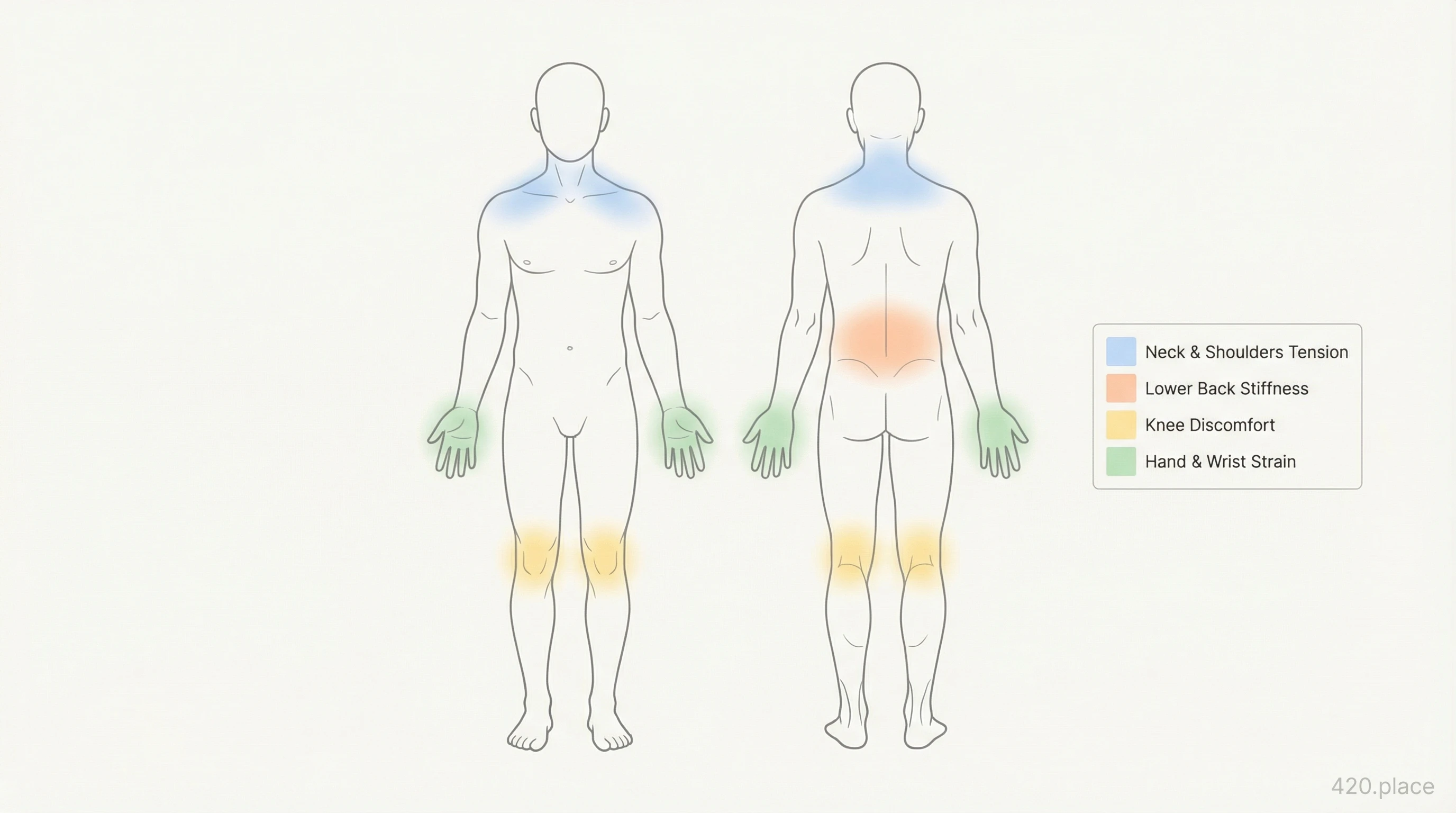
Osteoarthritis (OA): The most common type. Cartilage protecting your joints breaks down over time. Bones rub together, causing pain, stiffness, and swelling. Weight-bearing joints (knees, hips, spine) are most affected.
Rheumatoid Arthritis (RA): An autoimmune disease where your immune system attacks joint linings. This creates chronic inflammation, pain, and eventually joint damage. RA often affects hands, wrists, and feet symmetrically.
Both types cause chronic pain, but through different mechanisms. This matters for how cannabis might help.
How Arthritis Pain Works
Arthritis pain involves multiple processes:
Inflammation: Immune cells release chemicals that cause swelling, warmth, and pain. This is especially prominent in RA.
Nociceptive pain: Damaged tissues send pain signals through nerves to your brain. This is the sharp, aching pain you feel in affected joints.
Neuropathic pain: Sometimes nerves themselves become damaged, creating burning, tingling, or shooting pain.
Central sensitization: Chronic pain can change how your nervous system processes pain signals, making you more sensitive over time.
Effective arthritis treatment needs to address multiple pain pathways. Cannabis compounds may help with several of these mechanisms.
The Endocannabinoid System and Inflammation
Your body has an endocannabinoid system (ECS) that helps regulate pain, inflammation, and immune responses. This system includes:
- Cannabinoid receptors: CB1 receptors (mainly in brain and nervous system) and CB2 receptors (mainly in immune system and peripheral tissues)
- Endocannabinoids: Cannabis-like chemicals your body makes naturally
- Enzymes: Break down endocannabinoids when their job is done
Cannabis compounds (cannabinoids) interact with this system. THC and CBD affect the ECS differently, which explains their different effects on arthritis pain.
CB2 Receptors and Inflammation
CB2 receptors are concentrated in immune cells and joint tissues--exactly where arthritis inflammation happens. When activated, CB2 receptors:
- Reduce inflammatory chemical release
- Decrease immune cell activation
- Protect cartilage from further damage
- Reduce pain signal transmission
Both THC and CBD interact with CB2 receptors, though in different ways. This interaction explains much of cannabis' anti-inflammatory potential.
The Research: What Studies Show
83% Pain Improvement Statistic
A 2024 study published in the Journal of Pain Research surveyed over 2,700 adults with arthritis using cannabis for symptom management. The findings were striking:
- 83% reported meaningful pain reduction (defined as 30% or greater improvement)
- 71% reduced or eliminated opioid use
- 67% reduced NSAID use (ibuprofen, naproxen, etc.)
- Average pain scores dropped from 7.8/10 to 3.2/10
- Most respondents used products containing both CBD and THC
This wasn't a controlled clinical trial, but the large sample size and consistent results suggest real benefits for many people.
Arthritis Foundation Survey
The Arthritis Foundation conducted a comprehensive survey in 2023 of 2,600 arthritis patients using cannabis:
- 94% used cannabis specifically for pain relief
- 79% reported it helped their pain
- 82% said it improved sleep quality
- 66% reported improved physical function
- Most preferred CBD-dominant products or balanced CBD/THC ratios
Clinical Studies
Controlled research is limited but growing:
Osteoarthritis studies:
- A 2020 study found transdermal CBD significantly reduced knee pain and improved quality of life
- Multiple animal studies show CBD protects cartilage and reduces OA progression
- Combination CBD/THC products appear more effective than either compound alone
Rheumatoid arthritis studies:
- Early research shows cannabis reduces inflammatory markers in RA patients
- Small trials report pain and sleep improvements
- More research is needed, but preliminary results are promising
PubMed and Nature Reviews
Literature reviews published in PubMed and Nature examined dozens of studies:
- Cannabis shows consistent anti-inflammatory effects in laboratory and animal studies
- Human trials demonstrate pain reduction, though effect sizes vary
- Both CBD and THC appear beneficial through different mechanisms
- Topical application may be as effective as oral use for joint-specific pain
- Side effects are generally mild when properly dosed
The scientific consensus: Cannabis shows real potential for arthritis pain management, but more rigorous research is needed.
CBD vs THC vs Combination: What Works Best?
Different cannabinoids offer different benefits for arthritis.
CBD (Cannabidiol)
How it works:
- Reduces inflammation without causing a "high"
- Interacts indirectly with CB2 receptors
- Blocks inflammatory pathways
- May protect cartilage from damage
- Reduces anxiety associated with chronic pain
Best for:
- People who want pain relief without psychoactive effects
- Daytime use when you need to stay functional
- Those concerned about drug testing
- People with primarily inflammatory pain (RA)
Typical dosing range: 10mg to 50mg daily, divided into 2-3 doses. Some people need higher doses (up to 100mg or more).
Onset time:
- Oral: 30 to 90 minutes
- Sublingual: 15 to 45 minutes
- Topical: 15 to 30 minutes for local relief
THC (Tetrahydrocannabinol)
How it works:
- Directly activates CB1 and CB2 receptors
- Reduces pain signal transmission
- Improves sleep quality
- Reduces muscle tension and spasms
- Creates psychoactive effects ("high")
Best for:
- Severe pain that CBD alone doesn't address
- Nighttime use to improve sleep
- People with both pain and muscle stiffness
- Those who don't mind or prefer mild psychoactive effects
Typical dosing range: 2.5mg to 10mg, usually taken in evening. Start with 1mg to 2mg.
Onset time:
- Smoked/vaped: 5 to 15 minutes (not recommended)
- Oral: 30 to 90 minutes
- Sublingual: 15 to 45 minutes
CBD + THC Combinations
Many experts believe combination products work better than either compound alone. This is called the "entourage effect"--cannabinoids work synergistically.
Why combinations may work better:
- Address multiple pain pathways simultaneously
- CBD may reduce THC side effects (anxiety, paranoia)
- Lower doses of each may be needed
- More comprehensive anti-inflammatory effects
Common ratios:
- 20:1 CBD:THC - Minimal psychoactive effects, good for beginners
- 10:1 CBD:THC - Very mild effects, daytime use possible
- 5:1 CBD:THC - Slight psychoactive effects, balanced approach
- 1:1 CBD:THC - Noticeable effects, better for nighttime
Most arthritis patients report best results with ratios between 10:1 and 5:1 CBD:THC.
Product Comparison Table
| Product Type | CBD-Only | THC-Only | CBD/THC Combination |
|---|---|---|---|
| Psychoactive Effects | None | Yes (moderate to strong) | Mild to moderate (depends on ratio) |
| Pain Relief | Moderate | Strong | Strong |
| Anti-Inflammatory | Strong | Moderate | Very Strong |
| Sleep Improvement | Mild | Strong | Strong |
| Daytime Use | Yes | No | Depends on ratio |
| Drug Testing Concerns | Low risk | Will test positive | Will test positive |
| Best For | Inflammation-dominant pain, RA | Severe pain, sleep problems | Comprehensive symptom relief |
| Typical Dose | 20-50mg daily | 2.5-10mg evening | Varies by ratio |
| Cost | Low to moderate | Moderate | Moderate to high |
| Legal Status | Legal federally (if hemp-derived) | Legal in some states only | Legal in some states only |
Topical vs Ingestible: Which Is Better?
Cannabis can be applied topically or taken internally. Each approach has advantages for arthritis.
Topical Products (Creams, Balms, Lotions)
How they work: Cannabinoids absorb through skin into local tissues and joint areas. They don't enter your bloodstream in significant amounts.
Advantages:
- No psychoactive effects, even with THC-containing products
- Direct application to painful joints
- Fast relief (15-30 minutes)
- No drug interactions with oral medications
- Can use throughout the day
- Safe for people who can't use oral cannabis
Limitations:
- Only helps pain at application site
- Doesn't address systemic inflammation
- Effects last 2-4 hours; requires frequent reapplication
- Can be expensive with regular use
Best for:
- Localized joint pain (hands, knees, elbows)
- Supplementing oral products
- People who want to avoid systemic effects
- Quick relief before activities
Application tips:
- Apply to clean, dry skin
- Massage thoroughly into affected area
- Use 2-3 times daily or as needed
- Wash hands after unless treating hands
Oral Products (Tinctures, Capsules, Edibles)
How they work: Absorbed through digestive system, enter bloodstream, provide whole-body effects.
Advantages:
- Treats pain throughout body
- Addresses systemic inflammation
- Longer-lasting effects (4-8 hours)
- More convenient for multiple affected joints
- May provide additional benefits (sleep, anxiety relief)
Limitations:
- Slower onset (30-90 minutes)
- Psychoactive effects possible with THC products
- May interact with medications
- Requires careful dosing
- Can affect you systemically
Best for:
- Multiple affected joints
- Whole-body pain
- People wanting sleep improvement
- Those with systemic inflammatory conditions like RA
Dosing tips:
- Start with low doses (5-10mg CBD or 1-2mg THC)
- Take consistently at same times daily
- Wait 2 hours before increasing dose
- Keep a dosing journal
Combining Topical and Oral
Many people find the best results using both:
- Oral products for baseline pain control and inflammation reduction
- Topical products for breakthrough pain or pre-activity application
Example regimen:
- Morning: 20mg CBD tincture
- Afternoon: Apply topical to knees before walk
- Evening: 10mg CBD + 2mg THC capsule
- As needed: Topical cream to hands
Dosing Recommendations for Arthritis
Start low and increase slowly. Arthritis is a chronic condition, so you have time to find your optimal dose.
CBD Dosing Protocol
Week 1: Start with 10mg twice daily (morning and evening)
- If no improvement, increase to 15mg twice daily
Week 2: If pain persists, increase to 20mg twice daily
- Monitor for improvement over several days
Week 3-4: Continue increasing by 5-10mg every 3-4 days until you find relief
- Most people find their dose between 20mg and 50mg daily
- Some need 75mg to 100mg or more
Maintenance: Once you find effective dose, stay consistent
- Take daily, even on better pain days
- Effects build over time
THC Dosing Protocol
Start: 1mg to 2.5mg in evening
- Take 2-3 hours before bed initially
Week 1: Assess tolerance and effects
- If well-tolerated but insufficient relief, increase to 5mg
Week 2: Continue adjusting in 2.5mg increments
- Most older adults find relief at 2.5mg to 10mg
- Rarely need more than 10mg for arthritis
Maintenance: Take same dose nightly
- Can add small afternoon dose if needed
- Keep daytime doses lower (2.5mg or less)
Combination Product Dosing
For 20:1 CBD:THC products:
- Start with dose providing 20mg CBD + 1mg THC
- Increase gradually to 40mg CBD + 2mg THC if needed
For 10:1 or 5:1 products:
- Start very low due to higher THC content
- Begin with dose providing 1-2mg THC
- Increase weekly if needed
Topical Dosing
- Apply nickel-to-quarter sized amount to affected joint
- Use 2-4 times daily as needed
- Increase amount or frequency if insufficient relief
- Most people use 2-3 applications daily
Safety Considerations for Arthritis Patients
Medication Interactions
Many arthritis patients take medications that may interact with cannabis:
NSAIDs (ibuprofen, naproxen, celecoxib):
- Cannabis may allow you to reduce NSAID doses
- Talk to your doctor before stopping NSAIDs
- Both cannabis and NSAIDs can affect blood thinning
DMARDs (methotrexate, hydroxychloroquine):
- Limited interaction data
- Both affect immune function
- Discuss with your rheumatologist
Biologics (Humira, Enbrel, Remicade):
- No known direct interactions
- Both affect immune system
- Monitor for changes in infection risk
Corticosteroids (prednisone):
- May have additive effects on immune function
- Cannabis might help reduce steroid dependence
- Never stop steroids without medical supervision
Pain medications (opioids, tramadol):
- Cannabis may allow dose reduction
- Additive sedation effects
- Reduced opioid side effects reported
See our comprehensive guide: Cannabis Drug Interactions for Adults 50+.
Cardiovascular Concerns
Arthritis patients often have cardiovascular disease or risk factors. Cannabis can affect heart health:
- Increased heart attack and stroke risk, especially with THC
- Blood pressure changes
- Arrhythmia risk
If you have heart disease, stick with CBD-only products or use minimal THC. See: Cannabis and Heart Health Risks.
Liver Function
Both arthritis medications (especially methotrexate) and cannabis are processed by your liver:
- Regular liver function monitoring may be needed
- Tell your doctor about all cannabis use
- Watch for signs of liver problems (yellowing skin, dark urine, upper right abdominal pain)
Infection Risk
Cannabis and some arthritis medications affect immune function. Be vigilant about:
- Fever or signs of infection
- Delayed wound healing
- Unusual bruising
- Persistent cough or respiratory symptoms
Report these to your doctor immediately.
Choosing Quality Products
The cannabis market is poorly regulated. Product quality varies dramatically.
What to Look For
Third-party lab testing: Products should have current Certificates of Analysis (COAs) showing:
- Cannabinoid content (confirms label accuracy)
- Absence of pesticides, heavy metals, mold
- Residual solvents testing
- Potency verification
Clear labeling: Should include:
- Total CBD and THC content in mg
- Serving size
- Ingredient list
- Expiration date
- Batch or lot number
Reputable brands: Research companies before buying:
- Check online reviews
- Verify third-party testing
- Look for brands recommended by healthcare providers
- Avoid products making medical claims
Extraction method: CO2 extraction is considered cleanest and safest.
Red Flags
Avoid products that:
- Make cure claims ("cures arthritis")
- Lack third-party testing
- Have no contact information
- Are significantly cheaper than competitors
- Come from unknown sources
- Lack clear dosing information
Product Types to Consider
For beginners:
- CBD tinctures (easy dosing, flexible)
- CBD topical creams
- CBD:THC ratio products (20:1 or higher)
For experienced users:
- Balanced ratio products (10:1, 5:1, 1:1)
- Combination oral + topical regimens
- Full-spectrum products (contain multiple cannabinoids)
Realistic Expectations
Cannabis helps many people with arthritis, but it's not a miracle cure.
What Cannabis Can Do
- Reduce pain by 30% to 50% in many users
- Improve sleep quality
- Reduce inflammation
- Allow reduction in other pain medications
- Improve quality of life and function
What Cannabis Cannot Do
- Cure arthritis or reverse joint damage
- Work immediately (may take weeks to see full benefits)
- Eliminate all pain
- Replace all other treatments
- Work the same for everyone
Timeline for Results
- Topical: Effects within 15-30 minutes
- Oral CBD: May take 2-4 weeks of consistent use for maximum anti-inflammatory benefits
- Oral THC: Pain relief within hours, but optimal dosing may take 2-3 weeks to establish
- Combination products: Full benefits often seen after 3-4 weeks of regular use
Be patient. Arthritis is a chronic condition requiring long-term management strategies.
Monitoring Your Progress
Track your experience systematically:
Daily Pain Log
Record:
- Date and time
- Pain level (0-10 scale) before and after cannabis
- Products used and doses
- Activities affected by pain
- Sleep quality
- Side effects
Weekly Assessment
Every week, evaluate:
- Average pain levels compared to baseline
- Physical function improvements
- Sleep quality changes
- Medication reductions
- Side effects or concerns
- Cost considerations
Monthly Review
Each month:
- Assess whether cannabis is meeting your goals
- Adjust dosing if needed
- Consider trying different products or ratios
- Discuss findings with your doctor
- Evaluate cost-effectiveness
When to Talk to Your Doctor
Discuss cannabis with your doctor before starting, especially if you:
- Take multiple medications
- Have cardiovascular disease or risk factors
- Use immunosuppressant medications
- Have liver or kidney disease
- Experience severe arthritis requiring aggressive treatment
Questions to Ask
- "Are there any interactions with my current medications?"
- "Would you recommend CBD-only or combination products?"
- "What symptoms should I watch for?"
- "How might this affect my other arthritis treatments?"
- "Do I need additional monitoring?"
Complementary Approaches
Cannabis works best as part of comprehensive arthritis management:
Continue proven treatments:
- Prescribed medications (don't stop without medical guidance)
- Physical therapy
- Exercise (low-impact activities like swimming, tai chi)
- Weight management
- Joint protection strategies
Add supportive therapies:
- Acupuncture
- Massage
- Heat and cold therapy
- Assistive devices
- Stress reduction techniques
Lifestyle factors:
- Anti-inflammatory diet
- Adequate sleep
- Stress management
- Social connections and support
Keep Learning
- Medication safety: Cannabis Drug Interactions Guide
- Heart health: Cannabis and Heart Health Risks
- Getting started: Beginner Cannabis Dosing Guide
- Product basics: Cannabis Product Types Guide
- Timing information: Cannabis Edibles: Onset & Timing
Sources
Research for this article comes from peer-reviewed journals and authoritative medical sources:
Journal of Pain Research - "Cannabis Use for Arthritis Pain Management: Patient Survey Results" (2024) - Large survey of 2,700+ arthritis patients showing 83% reported meaningful pain reduction with cannabis use. Link
Arthritis Foundation - "CBD and Cannabis for Arthritis Pain: Survey Results and Patient Experiences" (2023) - Comprehensive survey of 2,600 arthritis patients, with 79% reporting pain relief from cannabis. Link
PubMed Central - "Cannabinoids and Arthritis: Anti-inflammatory Mechanisms and Clinical Evidence" - Systematic review of CBD and THC anti-inflammatory properties through CB2 receptor activation and inflammatory pathway modulation. Link
Nature Reviews Rheumatology - "The Endocannabinoid System in Arthritis Pain and Inflammation" (2024) - Detailed examination of ECS involvement in osteoarthritis and rheumatoid arthritis pathophysiology. Link
Pain Medicine Journal - "Topical vs Oral Cannabinoids for Joint Pain: Comparative Effectiveness Study" - Research comparing absorption, efficacy, and safety of different delivery methods for arthritis pain. Link
Current Rheumatology Reports - "Cannabis-Based Medicines for Chronic Pain: A Review of Clinical Effectiveness" - Evidence-based review of clinical trials showing cartilage protection and pain reduction in OA and RA patients. Link
This article provides general information only. Always consult your healthcare provider before using cannabis, especially if you have medical conditions or take prescription medications.