If you are searching for where to buy a medical marijuana card, the first important distinction is that this is usually a state authorization, not a storefront product.
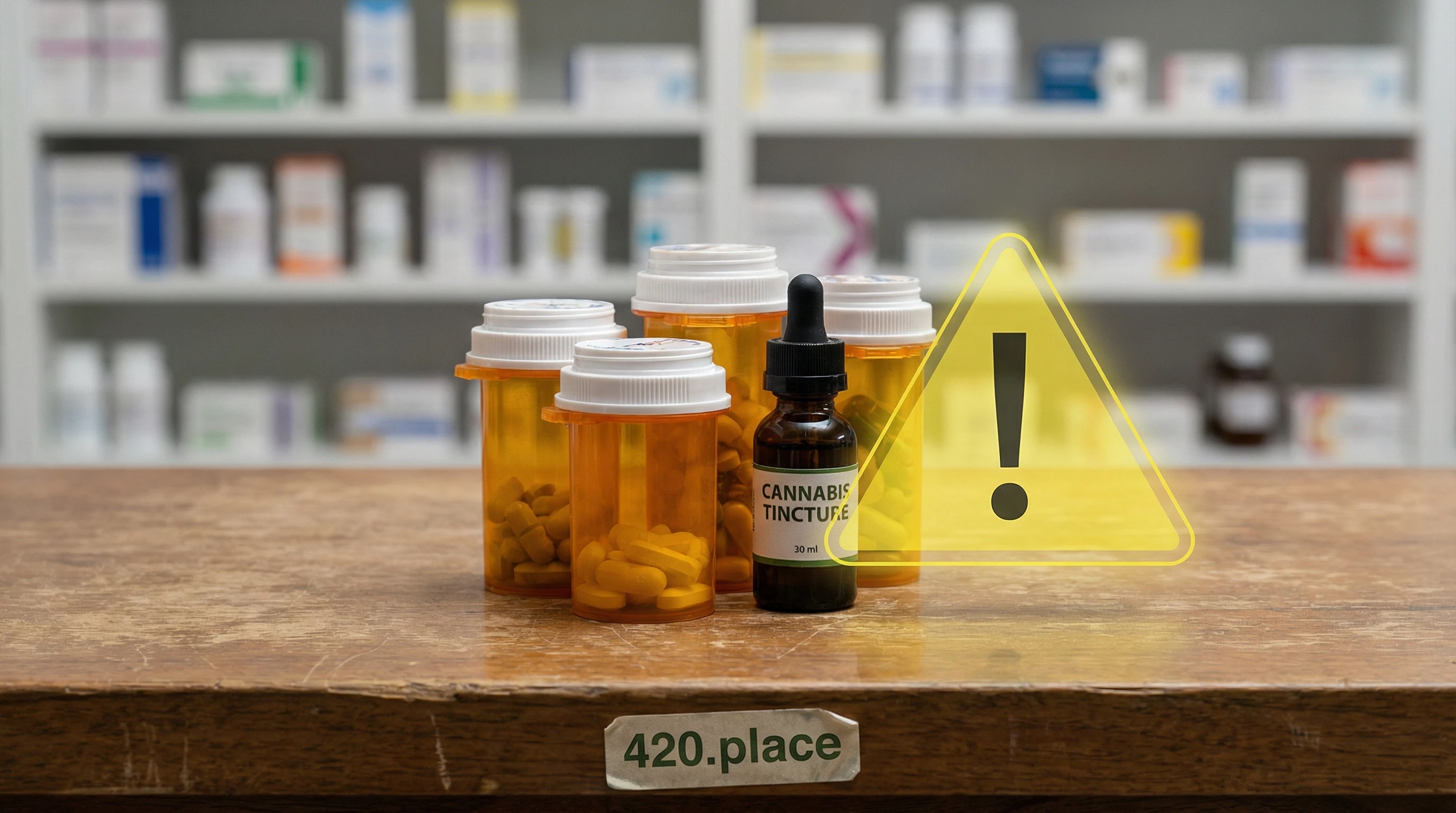
You typically use the card or certification to access a legal medical channel after a clinician review, not to purchase paperwork directly.
Federal baseline vs state process
At the federal level, the 2026 baseline is now split: qualifying FDA-approved or state-medical-license marijuana products moved to Schedule III under DOJ/DEA's April 28, 2026 final rule, while non-qualifying marijuana remains Schedule I. In practice, patient access is still shaped by each state medical program and its current registration rules.
States continue to run these programs differently. Authorizing rules, qualifying conditions, enrollment steps, and fee structure vary by state and can change as law updates.
What "where to buy" usually means
For most adults 50+, the practical sequence is:
- Confirm eligibility in your state and get a clinician recommendation if required. 2. Complete state registration and application steps. 3. Buy through a state-licensed medical dispensary using your state authorization.
This pathway is intentionally different from searching for a cannabis shop that can "sell you a card."
State examples to reduce confusion
- Washington: A clinician authorization and a recognized state process are required, then card setup is tied to the regulated medical system before purchase.
- New York: Patients use provider certification (plus state ID) at licensed medical dispensaries; out-of-state cards are often not accepted.
- Colorado: The Medical Marijuana Registry supports state-legal access for enrolled patients.
- California: MMIC is handled through county programs, and county-level timelines and fees vary.
State-specific sources to check before you apply
Before paying any application or setup fee, open your state's official page for:
- residency and document requirements,
- qualifying condition rules,
- renewal cadence,
- and current dispenser authorization lists.
For adults 50+, this also prevents old forms and outdated process details from delaying care.
Safety boundary (important)
This guide is for education only and is not medical or legal advice.
- Talk to your treating clinician before use if you take blood thinners, sedatives, opioids, or have heart/liver conditions.
- Compare cost, renewal windows, and in-state validity before paying upfront.