Medical Disclaimer: This article is for educational purposes only and does not replace professional medical advice. Always consult your healthcare provider before starting any new treatment, especially if you have underlying health conditions or take medications.
Cannabis for Fibromyalgia: Real Relief for Pain, Sleep, and Anxiety After 50
Exhausted from constant pain that never seems to quit? You're not alone--and there's promising news. A UK medical cannabis registry tracked 497 fibromyalgia patients for up to 18 months and found improvements in pain, anxiety, and sleep at every follow-up. Not just temporary relief--sustained benefits that lasted.
Here's what matters: 95% of patients used THC+CBD combinations, with typical doses around 20 mg CBD and 25 mg THC daily. Within months, 33% reported significant sleep improvement, and over 60% reduced or stopped other pain medications.
Quick Summary
What you'll learn:
- How fibromyalgia symptoms respond to different cannabinoids
- Why THC shows more promise than CBD alone (but combinations work best)
- Step-by-step dosing protocols from low starting doses to effective levels
- How 60.5% of patients reduced other medications after starting cannabis
Bottom line: Research shows cannabis, particularly THC-dominant combinations with CBD, can meaningfully improve fibromyalgia symptoms. Many people experience better sleep, reduced pain, and less anxiety--often allowing them to cut back on other medications.
What Makes Fibromyalgia Different
Fibromyalgia isn't just chronic pain--it's a complex condition affecting your entire nervous system.
Core symptoms include:
- Widespread musculoskeletal pain lasting 3+ months
- Severe fatigue that doesn't improve with rest
- Sleep disturbances and waking unrefreshed
- "Fibro fog"--difficulty concentrating and memory problems
- Anxiety and depression (affecting 50-70% of patients)
According to Mayo Clinic, fibromyalgia amplifies pain signals by changing how your brain and spinal cord process pain. Your nervous system becomes hypersensitive, turning normal sensations into pain.
Why traditional treatments often fall short: Standard pain medications like ibuprofen rarely help. Prescription options (gabapentin, duloxetine, pregabalin) work for some people but cause side effects like weight gain, drowsiness, or dizziness that can be intolerable.
This is where cannabis research becomes relevant--it works through different pathways than conventional medications.
The UK Registry Study: 18 Months of Real-World Data
The most comprehensive fibromyalgia cannabis study tracked 497 patients from 2019 to 2021 through the UK Medical Cannabis Registry. These weren't laboratory conditions--these were real people using cannabis as prescribed by doctors.
The results:
- Pain improvement: Significant reductions reported at 1, 3, 6, 12, and 18-month follow-ups
- Anxiety reduction: Consistent decreases in anxiety scores throughout the study
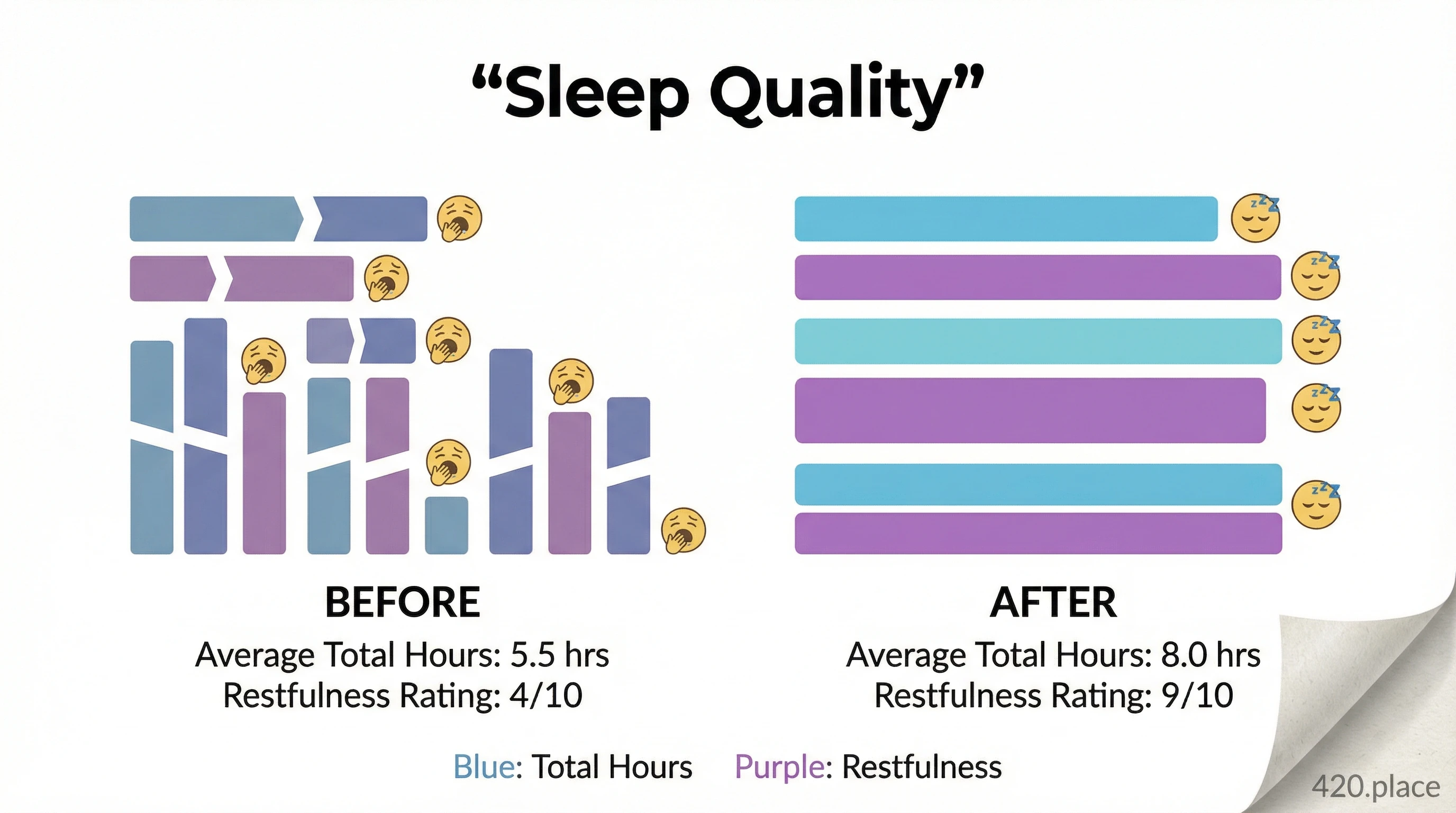
- Sleep quality: 33% of patients reported meaningful sleep improvement
- Medication reduction: 60.5% reduced or stopped other medications (opioids, gabapentin, muscle relaxants)
What's remarkable: these improvements didn't fade. At 18 months, patients were still reporting benefits--suggesting cannabis provides sustained relief, not just a temporary placebo effect.
THC vs CBD vs Combination: What Works Best
Not all cannabis works the same for fibromyalgia. Here's what research shows:
THC (Tetrahydrocannabinol) - Most Promising
THC binds to CB1 receptors in your brain and spinal cord, directly affecting how you perceive pain. For fibromyalgia, this is crucial because the condition involves central pain processing problems.
Studies show THC:
- Reduces pain intensity more effectively than CBD alone
- Improves sleep quality (addressing the unrefreshing sleep problem)
- Helps with anxiety that often accompanies fibromyalgia
- Provides muscle relaxation for stiffness and spasms
The downside: THC causes psychoactive effects ("getting high"), which some people find uncomfortable, especially at higher doses.
CBD (Cannabidiol) - Supportive Player
CBD doesn't bind strongly to CB1 receptors, so it works differently. It reduces inflammation and may modulate pain signals, but research shows it's less effective than THC for fibromyalgia when used alone.
CBD benefits:
- Anti-inflammatory effects that may help some fibromyalgia symptoms
- Reduces anxiety without psychoactive effects
- May improve sleep quality in some people
- Fewer side effects than THC
The limitation: CBD-only products showed modest benefits in fibromyalgia studies compared to THC or combinations.
THC + CBD Combinations - The Sweet Spot
This is what 95% of UK registry patients used--and for good reason. Combining THC and CBD provides:
- THC's pain relief + CBD's anxiety reduction
- Better tolerability (CBD reduces some THC side effects)
- Broader symptom coverage (pain, sleep, mood, anxiety)
- Lower risk of overconsumption
Typical effective ratios:
- 1:1 ratio (equal THC:CBD): Most balanced, good starting point
- 2:1 ratio (more THC): Better for severe pain and sleep problems
- 1:2 ratio (more CBD): Less psychoactive, better for daytime use
The UK study found median doses of 20 mg CBD + 25 mg THC daily provided optimal benefits. But starting there would be too much for most people.
Dosing Protocol: From Starting Low to Finding Relief
After 50, you process cannabis differently. Metabolism slows, and you may take multiple medications. Here's a proven approach based on clinical experience and research:
Week 1-2: The Foundation Phase
Starting dose:
- 2.5 mg THC + 2.5 mg CBD (1:1 ratio)
- Take once daily, 1 hour before bedtime
- Use sublingual tincture or capsule for consistent dosing
Why bedtime first? THC can cause drowsiness, so you're working with that side effect rather than fighting it. Many people notice sleep improvement within days.
What to track:
- Pain levels (morning and evening, 0-10 scale)
- Sleep quality (hours slept, times waking, how refreshed you feel)
- Anxiety levels
- Side effects (dizziness, dry mouth, fogginess)
Week 3-4: First Increase
If you haven't noticed at least 20% improvement:
- Increase to 5 mg THC + 5 mg CBD at bedtime
- OR add a 2.5 mg THC + 2.5 mg CBD morning dose (total 5 mg THC + 5 mg CBD daily)
What to expect: Some people notice pain reduction at this level. Sleep typically improves before pain does. Don't chase immediate results--fibromyalgia takes time to respond.
Month 2: Finding Your Effective Dose
For continued pain/sleep problems:
- Increase to 5 mg THC + 5 mg CBD twice daily (morning and bedtime)
- Or try 7.5 mg + 7.5 mg once daily if twice-daily dosing feels like too much
Adjusting ratios:
- If sleep is your biggest problem: try 2:1 THC:CBD (10 mg THC + 5 mg CBD at bedtime)
- If daytime anxiety is worse: try 1:2 THC:CBD (5 mg THC + 10 mg CBD in morning)
Month 3-6: Maintenance and Optimization
Most people settle into:
- 10-15 mg THC + 10-15 mg CBD twice daily (aligning with UK study findings)
- Some need up to 20-25 mg THC + 20-25 mg CBD (matching UK median doses)
Important: Wait at least one week between dose increases. Fibromyalgia responds gradually, and you need time to assess whether a dose is truly working.
What to Expect: Timeline for Improvement
Managing expectations helps you stay consistent long enough to see real benefits.
Week 1-2: Sleep Changes First The earliest benefit most people notice is better sleep. You might:
- Fall asleep faster
- Wake fewer times during the night
- Feel slightly more refreshed in the morning Pain might not change much yet--be patient.
Week 3-6: Pain Reduction Begins This is when pain levels often start dropping:
- From 8/10 to 6/10 on average
- Fewer severe pain flares
- Slightly better ability to do daily activities Anxiety often improves during this window too.
Month 2-3: Broader Symptom Relief The Journal of Cannabis Research notes that fibromyalgia symptoms respond across multiple domains:
- Continued pain reduction
- Better mood and less depression
- Improved "fibro fog" (clearer thinking)
- More energy for daily tasks
Month 3-6: Peak Benefits The UK registry showed that most patients reached maximum benefit by 6 months. You might notice:
- Pain reduced by 30-50% from baseline
- Sleeping through most nights
- Significantly reduced anxiety
- Ability to reduce other medications (with doctor approval)
Long-term (6+ months): Benefits can continue without major dose increases. Some people need periodic adjustments, but tolerance doesn't seem to be a major issue with balanced THC:CBD ratios.
The Medication Reduction Benefit
One of the most significant findings: 60.5% of fibromyalgia patients reduced or stopped other medications after starting cannabis.
Commonly reduced medications:
- Opioids: Many patients cut doses or eliminated them entirely
- Gabapentin/Pregabalin: Reduced or stopped due to fewer side effects with cannabis
- Muscle relaxants: Less need for cyclobenzaprine or similar drugs
- Sleep medications: Ambien, trazodone often no longer needed
Why this matters: These medications often cause:
- Weight gain (pregabalin, gabapentin)
- Severe drowsiness and cognitive impairment
- Risk of dependence (opioids, benzodiazepines)
- Constipation (opioids)
According to Pain Medicine Oxford, patients who reduced conventional medications while using cannabis reported better overall quality of life despite similar pain levels--fewer side effects meant better functioning.
Important: Never stop prescription medications without your doctor's guidance. Tapering should be supervised, especially for opioids and gabapentin.
Fibromyalgia-Specific Benefits: Beyond Pain
Cannabis addresses multiple fibromyalgia symptoms simultaneously:
1. Sleep Architecture Improvement Fibromyalgia disrupts deep sleep, which is essential for muscle recovery and pain regulation. THC helps you:
- Spend more time in deep sleep stages
- Wake less frequently
- Feel more rested upon waking
2. Anxiety and Depression Mayo Clinic Proceedings notes that 50-70% of fibromyalgia patients experience mood disorders. Cannabis, particularly CBD-rich combinations:
- Reduces general anxiety within weeks
- May improve depression scores over months
- Helps break the pain-anxiety-poor sleep cycle
3. Cognitive Function While high-THC products can worsen "brain fog," balanced ratios often help:
- Better focus and concentration
- Improved memory for daily tasks
- Reduced mental fatigue
4. Morning Stiffness Many patients report less severe morning stiffness and faster "loosening up" after starting cannabis.
Practical Tips for Fibromyalgia Management
1. Choose the right product format
For consistent fibromyalgia relief, use:
- Tinctures: Fast-acting (15-30 minutes), easy to dose precisely
- Capsules: Most consistent, effects last 6-8 hours, ideal for twice-daily dosing
- Avoid smoking: Provides fast relief but worsens inflammation long-term
2. Time your doses strategically
- Morning dose (if using twice-daily): Lower THC ratio (1:2 THC:CBD) to avoid daytime impairment
- Evening dose: Higher THC ratio (2:1 or 1:1) for pain and sleep
- Take with small amount of fat: Increases absorption (have with meal or tablespoon of olive oil)
3. Keep a symptom journal
Track these daily:
- Pain level on waking and at bedtime (0-10)
- Number of pain flares
- Sleep quality (hours, quality, times waking)
- Anxiety level (0-10)
- Cannabis dose and timing
- Other medications taken
This helps you and your doctor see patterns and adjust treatment.
4. Combine with other therapies
Cannabis works better alongside:
- Gentle exercise (yoga, swimming, walking)
- Stress management (meditation, breathing exercises)
- Cognitive behavioral therapy
- Physical therapy for specific problem areas
When Cannabis Might Not Be Right
Talk to your doctor before trying cannabis if you have:
- History of substance use disorder (THC carries addiction risk)
- Heart conditions (THC can temporarily increase heart rate)
- Severe liver disease (affects cannabis metabolism)
- History of psychosis or schizophrenia
- Taking CYP450-metabolized drugs (many interactions possible)
Side Effects and How to Manage Them
Common side effects at therapeutic doses:
- Dry mouth: Drink more water, use sugar-free gum, avoid alcohol-based mouthwash
- Drowsiness: Take higher THC doses at bedtime, reduce daytime doses if needed
- Dizziness: Stand up slowly, stay hydrated, reduce dose if persistent
- Mild cognitive effects: Use lower THC ratios, avoid driving for 4-6 hours after dosing
- Increased appetite: Can be helpful if fibromyalgia has reduced eating, otherwise prepare healthy snacks
Most side effects fade within 2-3 weeks as your body adjusts.
Keep Learning
Ready to explore more? These articles can help:
- THC vs CBD Differences - Understanding both cannabinoids
- Cannabis for Pain Relief - General pain management strategies
- Cannabis for Sleep - Improving sleep quality
- Cannabis for Anxiety - Managing anxiety symptoms
- Beginner Dosing Guide - Start low, go slow
The Bottom Line
You're already ahead by researching this. Cannabis won't cure fibromyalgia, but research from 497 patients over 18 months shows it can provide sustained improvement in pain, sleep, and anxiety.
Most people find relief with THC+CBD combinations around 20-25 mg of each daily, split into two doses. Start with 2.5 mg of each at bedtime and increase gradually over 8-12 weeks. Track your symptoms. Be patient.
Over 60% of patients reduced other medications--meaning fewer side effects and better quality of life. Work with your doctor. Choose quality products from licensed sources. Give it 3-6 months to see peak benefits.
This could make a real difference. You've got this.
Sources
Mayo Clinic Proceedings - "Fibromyalgia: Current Understanding and Treatment Options" (2024) https://www.mayoclinic.org/diseases-conditions/fibromyalgia
UK Medical Cannabis Registry - "Medical Cannabis in Fibromyalgia: 18-Month Outcomes" (2023) https://www.drugsandalcohol.ie/37320/
Pain Medicine (Oxford) - "Cannabis for Chronic Pain: Patient-Reported Outcomes" (2024) https://academic.oup.com/painmedicine
Journal of Cannabis Research - "THC and CBD Mechanisms in Fibromyalgia Syndrome" (2023) https://jcannabisresearch.biomedcentral.com/
National Fibromyalgia Association - "Understanding Fibromyalgia Symptoms and Treatment" (2024) https://www.fmaware.org/